

Introduction
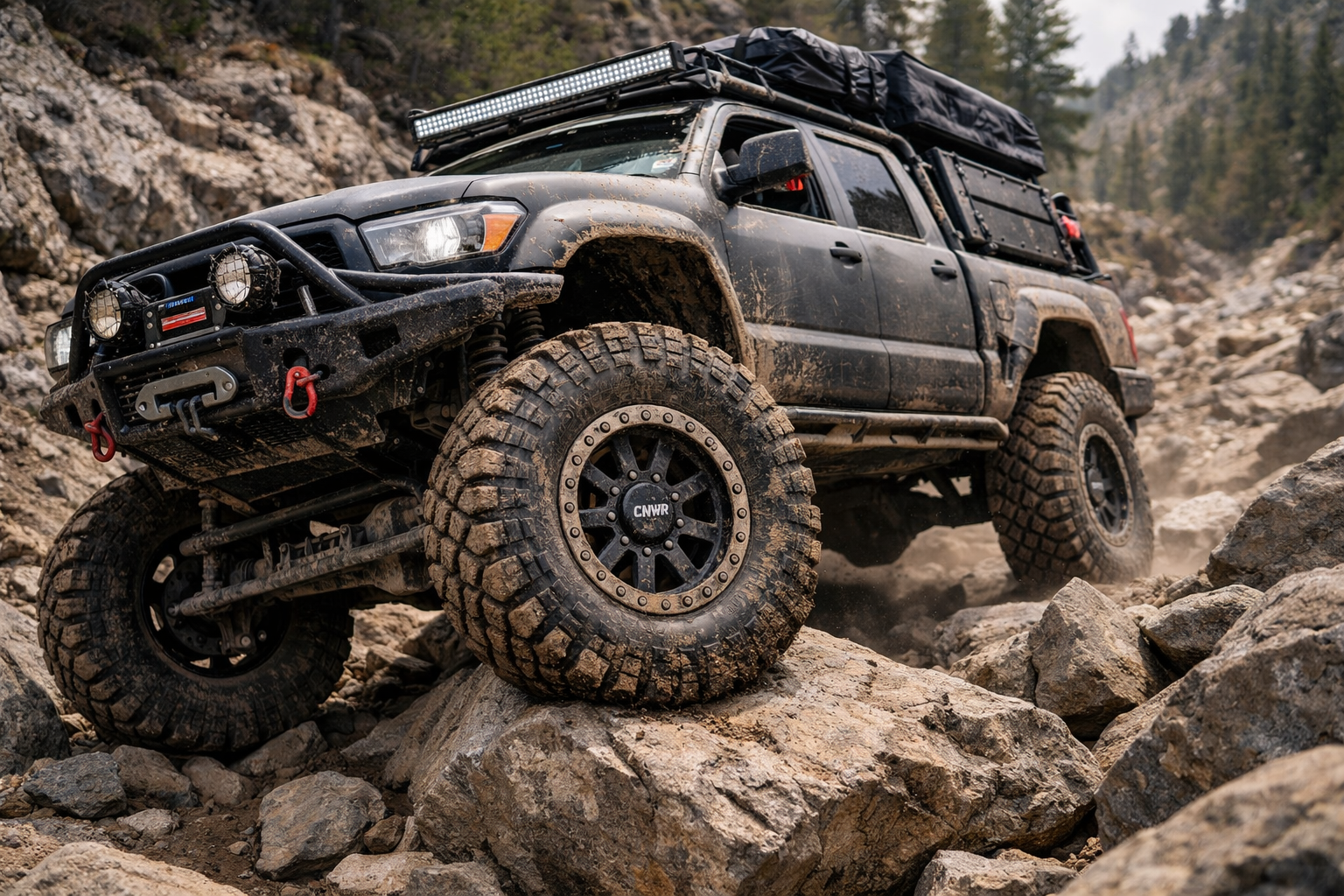
When the pavement ends and the wilderness begins, the rules of automotive engineering drastically change. In the disciplines of overlanding, rock crawling, and high-speed desert racing, your vehicle is subjected to a relentless barrage of physical punishment. At the absolute epicenter of this abuse is the vehicle’s unsprung mass—specifically, the wheels and tires.
In extreme terrain, a wheel is not just an aesthetic accessory; it is a critical survival component. When you are fifty miles from the nearest paved road, a shattered cast wheel doesn’t just ruin your weekend—it creates a dangerous, potentially life-threatening recovery situation. This harsh reality is exactly why professional off-road racers, serious overlanders, and premium 4×4 builders turn to the ultimate solution: forged off-road wheels.
Forged from solid blocks of aerospace-grade aluminum and engineered to withstand catastrophic impacts, these wheels represent the pinnacle of off-road durability. As a leading OEM wheel supplier, CN Wheel Rims (CNWR) has engineered and manufactured thousands of custom forged wheels designed explicitly to conquer the world’s most unforgiving environments.
In this comprehensive guide, we will explore the extreme physics of off-roading, dissect the metallurgical superiority of forged aluminum in harsh conditions, and explain why B2B distributors and off-road shops must prioritize forged wheels in their premium inventory.
The Physics of Extreme Terrain: What Wheels Endure Off-Road
To understand why forged off-road wheels are necessary, we must first understand the unique forces at play when navigating extreme terrain. The off-road environment attacks a wheel’s structural integrity in three distinct ways:
1. High-Velocity Point Impacts
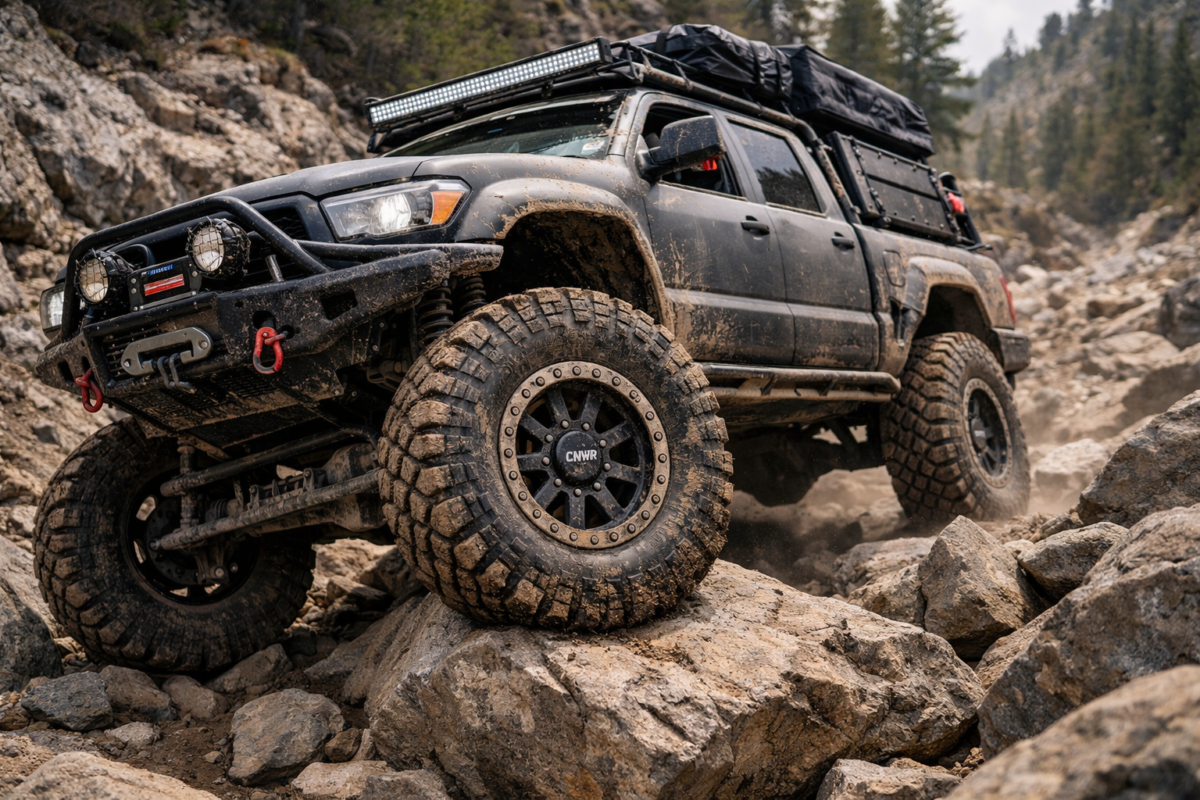
Unlike a smooth highway where weight is distributed evenly across the tire’s contact patch, off-roading involves striking jagged rocks, deep ruts, and submerged tree roots. These obstacles focus the entire weight of a heavy 4×4 vehicle onto a tiny, localized section of the wheel’s outer barrel or lip, generating immense, instantaneous point-load stress.
2. Extreme Lateral Deflection
To gain traction in sand, mud, or on rocks, off-roaders “air down” their tires, frequently dropping tire pressures from 35 PSI down to 10 PSI or lower. While this increases the tire’s footprint, it drastically reduces the pneumatic cushion protecting the wheel. Furthermore, when navigating off-camber (tilted) trails or cornering in deep sand ruts, massive lateral (sideways) sheer forces attempt to push the tire completely off the wheel’s bead seat.
3. Massive Static and Dynamic Weight
Modern overland builds are incredibly heavy. Once you add steel bumpers, a winch, a roof-top tent, dual battery systems, and weeks of supplies, a standard SUV or truck can easily exceed 6,000 to 8,000 pounds. When that heavy vehicle drops off a rocky ledge, the dynamic shock-load transferred through the wheels is staggering.
Cast vs. Forged Off-Road Wheels: The Failure Mode Difference
When subjected to the extreme physics described above, standard cast aluminum wheels and true forged wheels behave entirely differently. This difference is rooted in the wheel manufacturing process.
Cast wheels are made by pouring molten aluminum into a mold. As the metal cools, it forms a random, microscopic grain structure that inherently contains tiny air pockets (porosity). This makes cast aluminum relatively brittle.
Forged off-road wheels, conversely, are crushed into shape from a solid billet of 6061-T6 aluminum using a 10,000-ton hydraulic press. This aligns the internal grain structure, completely eliminating porosity and creating a dense, highly elastic metal.
The Ultimate Difference: Shattering vs. Bending
-
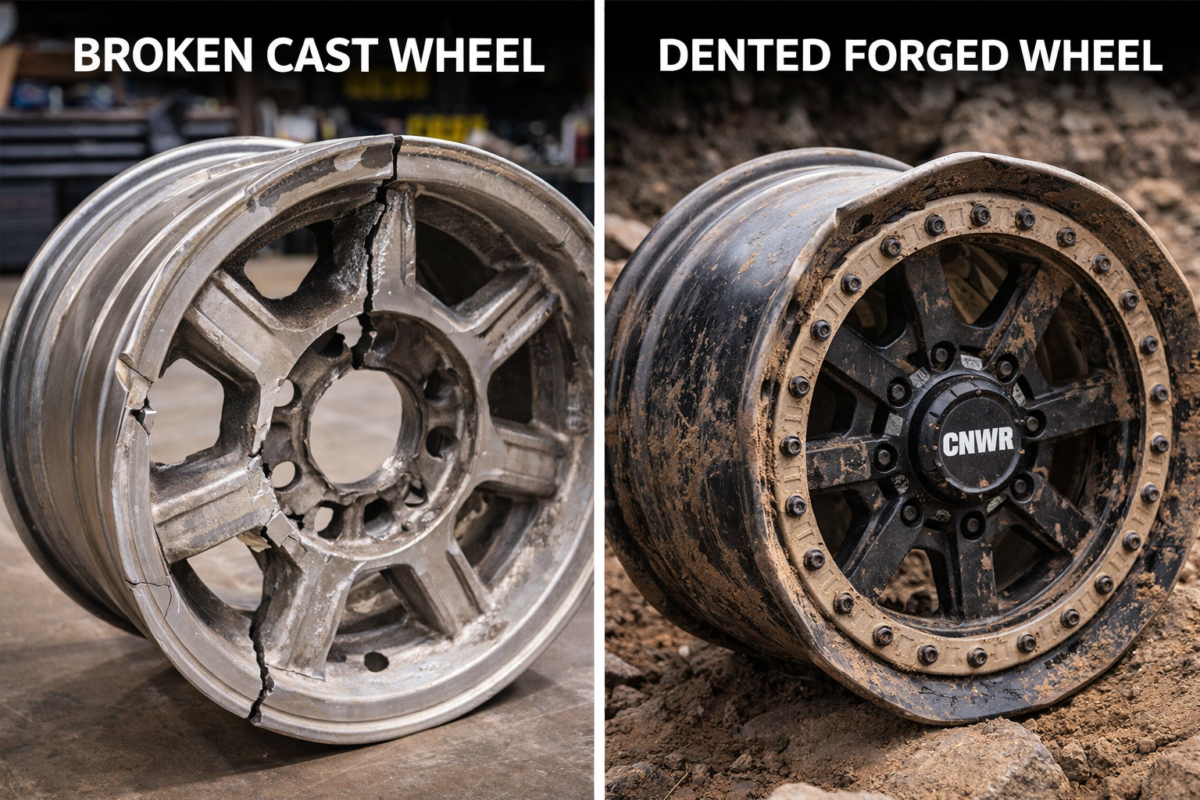
Cast Wheel Failure: When a cast wheel strikes a boulder at speed, its brittle nature causes it to fracture, crack, or completely shatter. The tire immediately loses all air pressure, and the vehicle is immobilized.
-
Forged Wheel Survival: When a forged wheel sustains a catastrophic impact that exceeds its massive yield strength, the aligned grain flow allows the metal to bend or deform rather than crack. A bent rim will often still hold a tire bead and maintain air pressure, allowing the driver to safely limp the vehicle off the trail and back to civilization.
The Engineering Superiority of Forged Off-Road Wheels
At cnwheelrims.com, our engineering team focuses on three specific design pillars when manufacturing custom forged wheels for off-road applications.
1. Aerospace-Grade 6061-T6 Aluminum
We exclusively utilize 6061-T6 aluminum. The “T6” denotes a rigorous heat treatment process (solutionizing, quenching, and artificial aging) that increases the metal’s yield strength by nearly 500% compared to raw aluminum. This material provides an incredibly high load rating, allowing our wheels to effortlessly support fully loaded, armor-clad overland rigs without breaking a sweat.
2. True Beadlock Capabilities
For extreme rock crawling, a standard wheel lip is insufficient; you need a beadlock. A true beadlock wheel mechanically clamps the outer bead of the tire between the wheel barrel and a heavy-duty outer metal ring, secured by a series of high-tensile bolts.
-
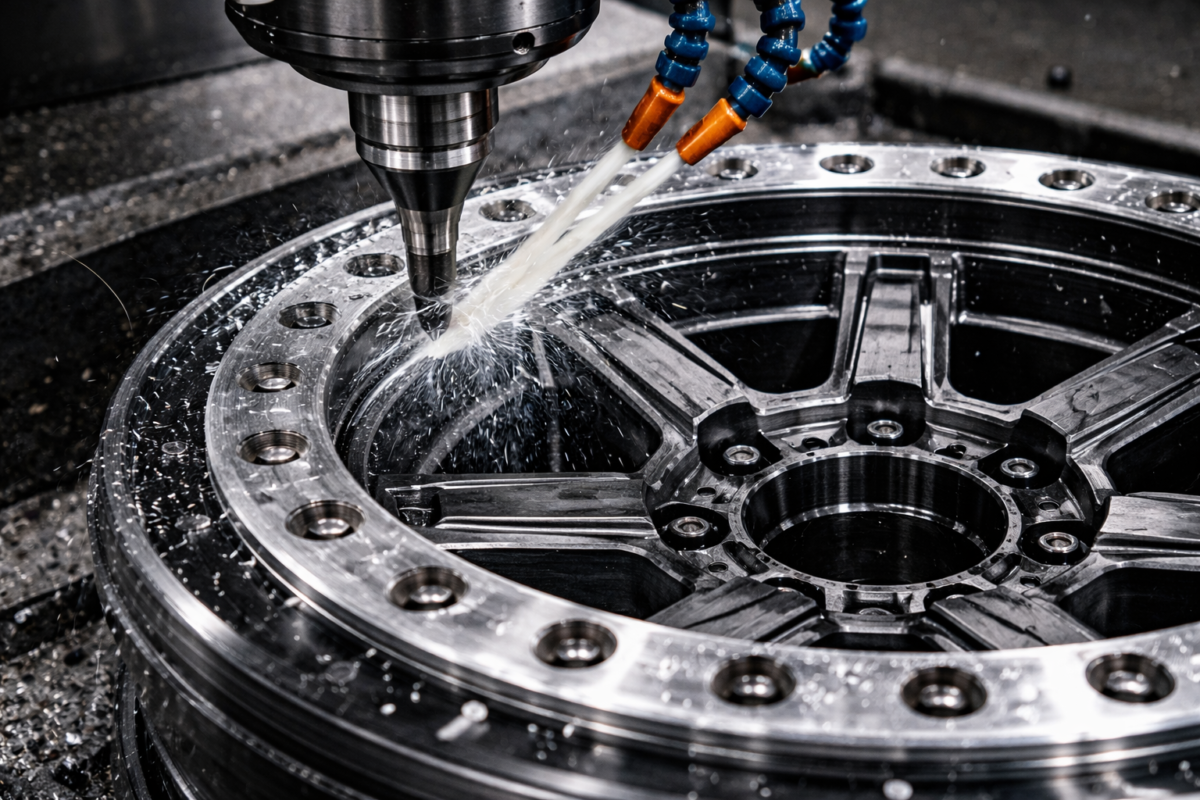
The Forged Advantage: Because the beadlock ring and the mounting flange on the barrel are subjected to immense torque and rock strikes, utilizing CNC-machined 6061-T6 forged aluminum ensures these critical components will not crack or strip out, allowing users to run single-digit tire pressures with zero fear of de-beading a tire.
3. Drastic Reduction of Unsprung Mass
One of the most overlooked aspects of off-road performance is suspension dynamics. Heavy steel wheels or thick cast aluminum wheels add massive amounts of unsprung weight to the vehicle.
When blasting down a heavily corrugated, washboard dirt road, heavy wheels force your shock absorbers to work overtime to control the up-and-down movement of the axles. This leads to rapid shock fade (overheating).
Because forged aluminum is so inherently strong, CNWR can CNC-machine thinner spokes and lighter barrels. This drastic reduction in unsprung mass allows the suspension to cycle much faster and cooler, dramatically improving ride comfort and vehicle control over rough terrain.
| Feature | Steel Wheels | Cast Aluminum Wheels | CNWR Forged Off-Road Wheels |
| Weight (Unsprung Mass) | Extremely Heavy | Moderate | Ultra-Lightweight |
| Strength / Load Rating | High | Moderate (requires thick spokes) | Maximum |
| Failure Mode | Bends, but heavy to repair | Shatters/Cracks, catastrophic | Bends, maintains tire bead |
| Custom Offsets / Fitment | Limited | Limited by molds | Infinite CNC adjustability |
| Corrosion Resistance | Poor (Rusts quickly) | Good | Excellent (Premium coatings) |
Custom Forged Wheels: The Solution for Complex Off-Road Builds
Off-road vehicles are rarely kept stock. As enthusiasts add lift kits, massive 37-inch or 40-inch mud-terrain tires, and upgraded heavy-duty axles (such as 1-ton Dana 60 axle swaps), off-the-shelf wheel fitments no longer work.
This is where custom forged wheels become mandatory.
Through our advanced multi-axis CNC machining centers, CNWR can custom-cut wheels to exact specifications:
-
Custom PCD (Bolt Patterns): Whether a client needs a standard 6×139.7 for a Toyota Tacoma or a custom 8×170 for a Super Duty axle swap, CNC machining ensures pinpoint accuracy.
-
Negative Offsets: Lifted vehicles require wheels with deep negative offsets to push the massive tires away from the suspension components and frame rails. We can engineer deep-dish forged wheels that provide the perfect scrub radius and aggressive stance without the need for dangerous wheel spacers.
-
Massive Brake Clearance: Many modern 4x4s feature large brake calipers. Our FEA (Finite Element Analysis) software allows us to design wheel backsides that clear big brakes while maintaining deep outer lips.
Why Off-Road Shops Need an OEM Wheel Supplier
The off-road and overlanding aftermarket is experiencing explosive, multi-billion dollar global growth. Consumers are spending tens of thousands of dollars modifying their vehicles, and their expectations for quality and reliability have never been higher.
For B2B wholesale distributors, 4×4 tuning shops, and emerging off-road lifestyle brands, stocking cheap, fragile cast wheels is a massive liability. A wheel failure on a remote trail destroys customer trust and invites severe warranty and safety liabilities.
Partnering with CN Wheel Rims as your primary OEM wheel supplier provides immediate commercial advantages:
-
Zero-Compromise Liability: By supplying certified 6061-T6 forged wheels, you are selling the safest, strongest product available, virtually eliminating structural warranty returns.
-
High-Margin Customization: Custom forged wheels are a premium-tier product. Offering bespoke designs, custom offsets, and specialized finishes (like mil-spec hard anodizing or rugged bedliner-style powder coats) allows your shop to command higher margins.
-
White-Label ODM Services: Want to launch your own exclusive line of hardcore off-road wheels? CNWR provides end-to-end Original Design Manufacturing (ODM). You provide the vision; our engineers handle the load-rating FEA testing, 10,000-ton forging, CNC machining, and global logistics under your brand name.
Frequently Asked Questions (FAQs)
Are forged off-road wheels worth the price compared to steel wheels?
Yes. While steel wheels are cheap and can be hammered back into shape if bent, they are incredibly heavy. This extra unsprung mass ruins fuel economy, degrades acceleration and braking, and overheats shock absorbers rapidly. Forged aluminum offers the durability of steel at a fraction of the weight.
Can I run beadlock wheels on the highway?
In many jurisdictions (including parts of the US and Europe), true beadlock wheels are not DOT-approved for highway use due to the maintenance required (the bead ring bolts must be regularly torque-checked). For B2B clients, CNWR can manufacture “simulated beadlocks”—forged wheels that feature the rugged look and reinforced lip of a beadlock, but utilize a standard, street-legal DOT tire bead seat.
Will the finish on a forged wheel survive rock crawling?
Rock crawling will scratch any wheel, regardless of the material. However, because forged aluminum does not rust like steel, deep gouges will not cause the wheel to deteriorate. Furthermore, CNWR offers ultra-durable, baked-on powder coating finishes designed specifically to resist chipping and abrasion in extreme environments.
Do forged wheels require special maintenance off-road?
The wheels themselves require no special maintenance beyond standard cleaning. However, if running true beadlocks, drivers must routinely check the torque specifications of the titanium or grade-8 bead ring bolts before and after heavy trail use.
Conclusion
In the realm of extreme terrain, the trail is the ultimate judge of engineering quality. Rocks, ruts, and gravity do not care about marketing hype; they only respect structural integrity.
Forged off-road wheels are the definitive answer to the brutal physics of the wilderness. By combining the immense yield strength of 6061-T6 aluminum, the alignment of metallurgical grain flow, and the precision of multi-axis CNC machining, these wheels ensure that you can push your vehicle to its absolute limits—and still make it home safely.
Whether you are building the ultimate rock crawler, outfitting a global expedition rig, or seeking a reliable, high-capacity manufacturing partner for your off-road distribution network, compromise is not an option.
At CN Wheel Rims (CNWR), we engineer survival.