

Introduction
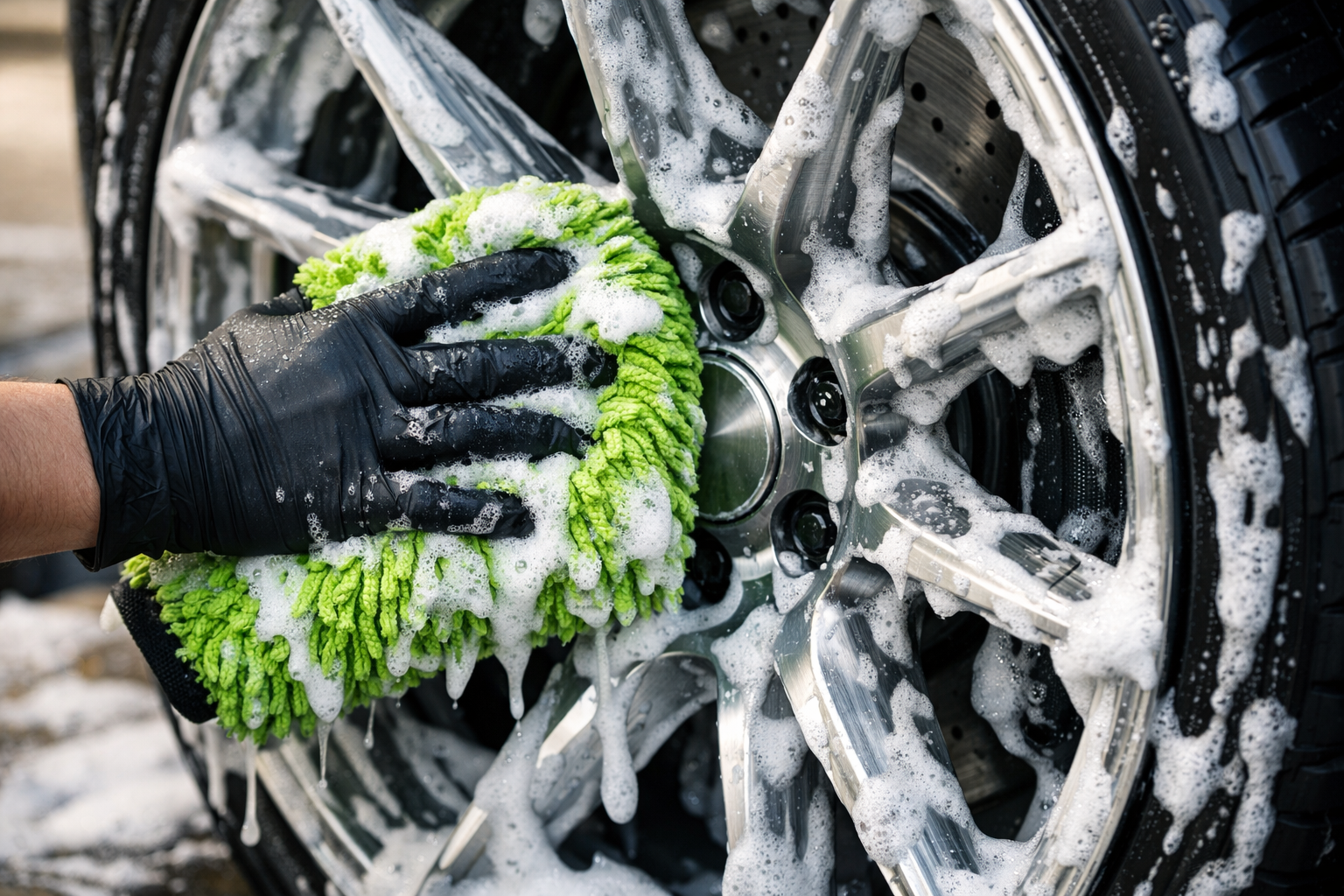
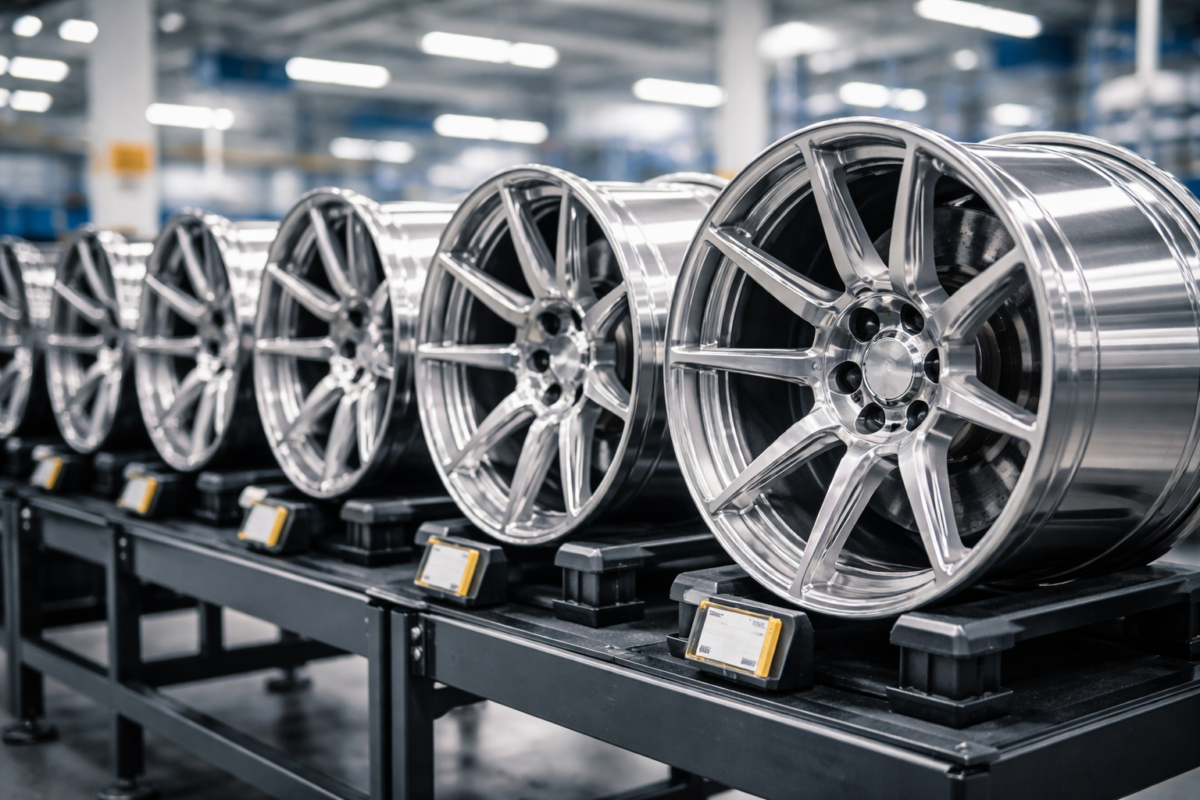
Nothing elevates the aesthetic of a high-performance or luxury vehicle quite like a set of custom forged wheels. Among the most sought-after aesthetics in the automotive world are polished and brushed finishes. They offer a brilliant, raw-metal look that exudes quality and craftsmanship.
However, as a premier forged wheel manufacturer, Shanghai Chenchi Technology Co., Ltd. (creator of the CNWR brand) knows that achieving this flawless look is only half the battle. Maintaining it requires knowledge, the right products, and consistent care. Whether you are a car enthusiast looking to protect your investment, or a B2B distributor aiming to educate your clients and reduce warranty claims, this comprehensive guide will walk you through the science and best practices of forged wheel maintenance.
Understanding Your Forged Wheel Finish
Before applying any chemicals, it is critical to understand the exact nature of your wheel’s finish. Using the wrong product on the wrong finish can cause irreversible chemical burns or etching.
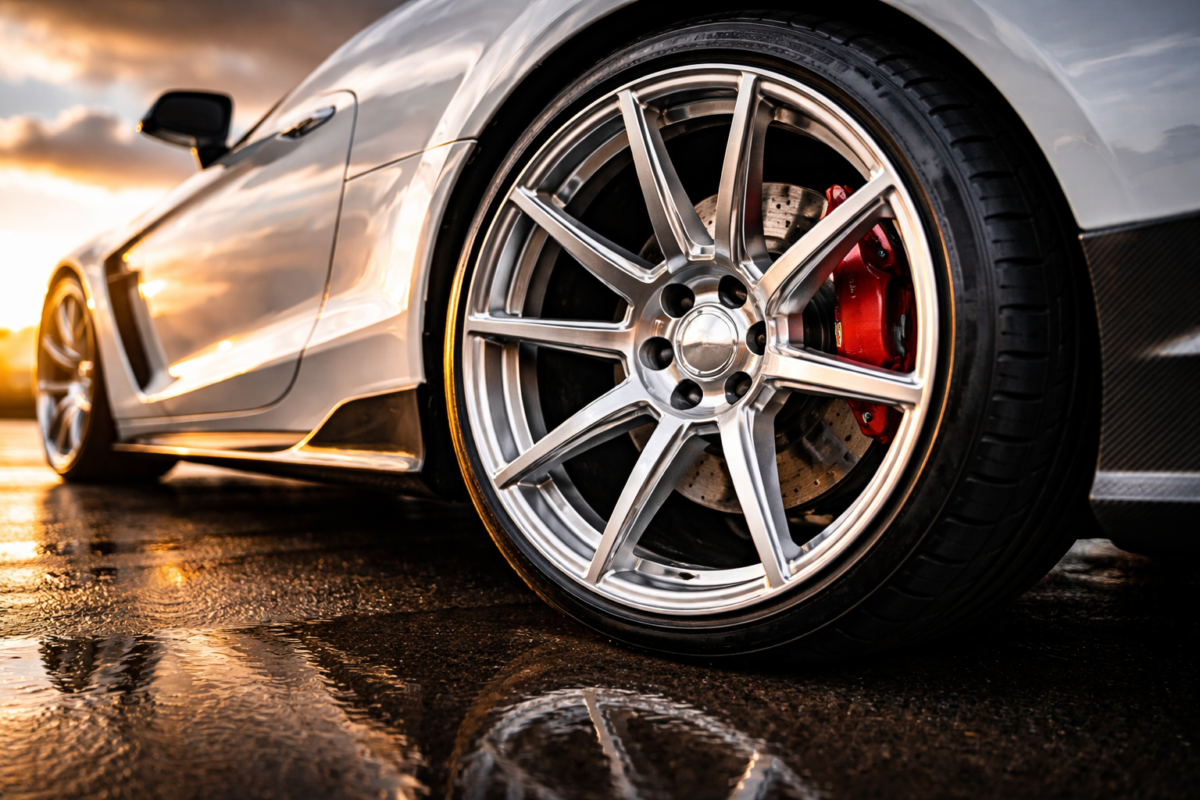
1. Polished Finishes (Bare Metal vs. Clear-Coated)
A polished forged wheel achieves its mirror-like shine through hours of mechanical compounding.
-
Raw Polished (Uncoated): This is bare aerospace-grade 6061-T6 aluminum. It offers the brightest possible shine but is highly susceptible to oxidation (cloudiness), water spots, and chemical etching. It requires regular hand-polishing.
-
Clear-Coated Polished: A protective layer of transparent powder coat or liquid clear coat is applied over the polish. It slightly reduces the absolute brilliance but drastically reduces maintenance.
2. Brushed Finishes
Brushed finishes feature microscopic directional grain lines cut into the face of the wheel, creating a deeply textured, industrial elegance. Because these micro-grooves can easily trap brake dust and road grime, brushed wheels are almost always sealed with a gloss, satin, or tinted clear coat (such as brushed bronze or black).
Comparison Table: Polished vs. Brushed Maintenance Needs
| Feature | Raw Polished Finishes | Clear-Coated Brushed/Polished Finishes |
|---|---|---|
| Visual Appeal | Mirror-like, unmatched brilliance | Textured, sophisticated, high gloss or matte |
| Maintenance Level | High (Requires frequent polishing) | Low to Medium (Treated like car paint) |
| Vulnerability | High (Oxidation, brake dust pitting) | Moderate (Scratches, chemical etching) |
| Recommended Cleaner | Gentle soap, dedicated raw metal cleaner | pH-neutral wheel cleaner |
Essential Tools for Safe Wheel Care
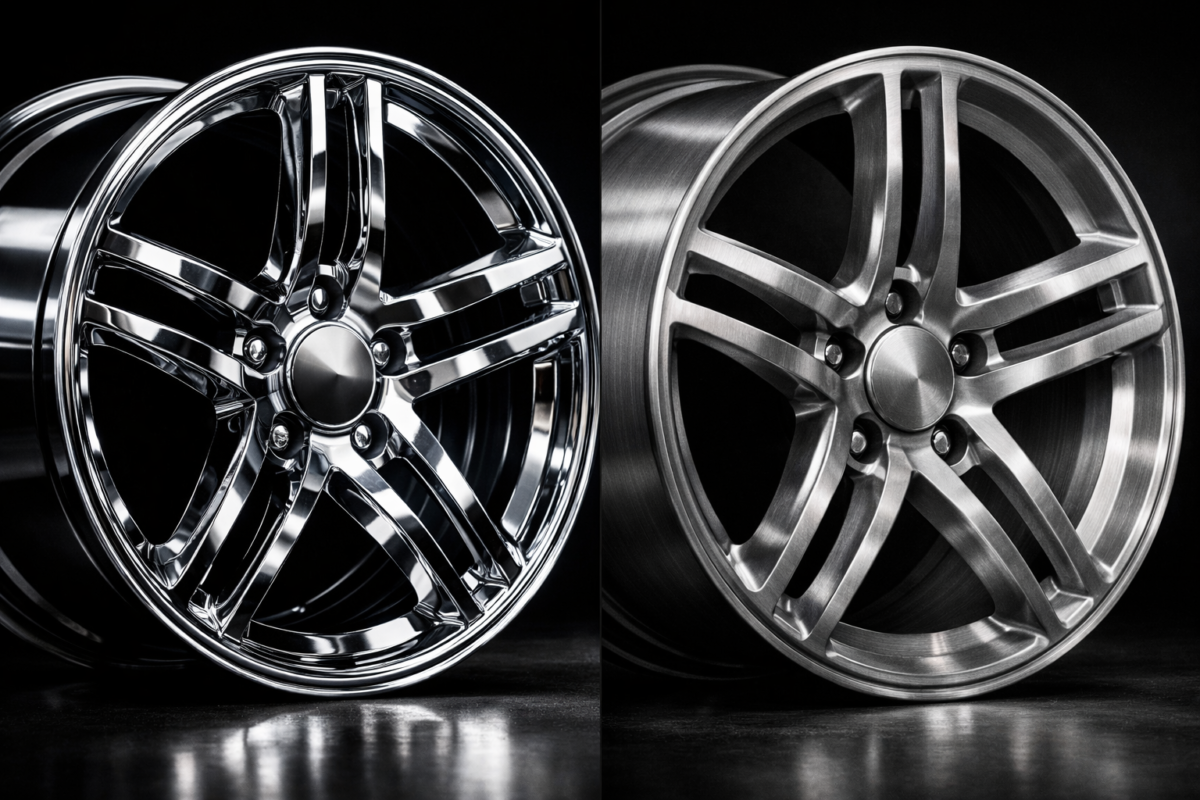
To safely clean your CNWR custom forged wheels without introducing micro-scratches, assemble the following tools:
-
pH-Neutral Wheel Cleaner: Avoid heavy acids (like hydrofluoric acid) or heavy alkalines.
-
Soft-Bristle Wheel Brushes: Boar’s hair brushes or ultra-soft synthetic brushes for the wheel face and lug nut holes.
-
Plush Microfiber Towels: For safe, scratch-free drying.
-
Air Blower (Optional but recommended): To force water out of the brushed grains and lug pockets.
-
Metal Polish (For bare aluminum only): A high-quality billet aluminum polish.
Step-by-Step Guide: How to Clean Polished and Brushed Forged Wheels
Step 1: Ensure the Wheels are Cool
Crucial Rule: Never wash hot wheels. Heat accelerates chemical reactions. Applying cleaner to a hot forged wheel can instantly flash-dry the chemicals, baking stains into the clear coat or raw aluminum.
Step 2: Pre-Rinse to Remove Loose Contaminants
Use a pressure washer (kept at a safe distance of at least 12-18 inches) or a strong hose nozzle to blast away loose dirt, brake dust, and road salt.
Step 3: Apply the pH-Neutral Cleaner
Spray a generous amount of pH-neutral wheel cleaner onto the wheel face and inner barrel. Allow it to dwell for 1 to 3 minutes, but do not let it dry.
Step 4: Gentle Agitation
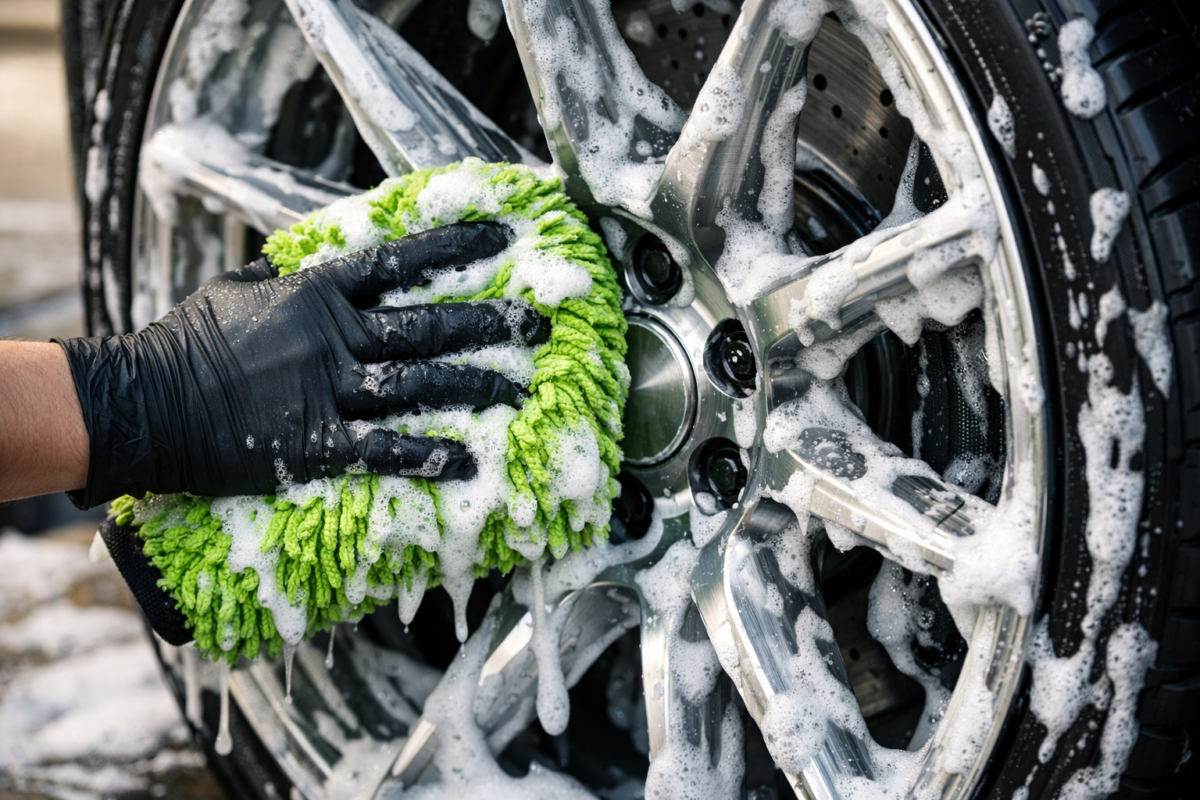
For brushed finishes, use your soft brush to agitate the cleaner in the direction of the grain if possible, lifting trapped brake dust from the micro-grooves. For polished finishes, use extreme care; a high-lubricity soap and a premium microfiber mitt are often safer than brushes to prevent swirling.
Step 5: Thorough Rinse and Immediate Drying
Rinse all soap away completely. Immediately dry the wheels using plush microfiber towels or a forced-air blower. Leaving tap water to air-dry will cause mineral deposits (water spots), which are notoriously difficult to remove from raw polished aluminum.
Long-Term Maintenance: Protecting Your Investment
Cleaning is just the removal of dirt; protection is what ensures the longevity of the wheel. Here is a comparison of your protective options:
| Protection Type | Durability | Best For | Application Effort |
| Carnauba Wax | 2-4 Weeks | Show cars, quick shine | Low |
| Synthetic Sealant | 3-6 Months | Daily drivers, clear-coated wheels | Medium |
| Ceramic Coating | 1-2 Years+ | Ultimate protection against brake dust, high heat resistance ($> 180^\circ\text{C}$) | High (Requires prep) |
Pro Tip for Bare Aluminum: If your wheels are raw, uncoated polished aluminum, you must apply a specialized metal polish periodically to remove surface oxidation (aluminum oxide), followed immediately by a metal sealant to lock in the shine.
Why Wheel Maintenance Matters for Dealerships and Distributors
For B2B buyers, distributors, and custom automotive shops, wheel maintenance is more than a chore—it is a critical aspect of customer satisfaction and brand reputation.
-
Reducing Warranty Claims: A vast majority of “finish failure” claims are actually the result of improper chemical use (e.g., using acidic tire cleaners that etch the clear coat). Educating your end-users protects your margins.
-
Value-Added Upselling: Offering in-house ceramic coating services on a set of CNWR custom forged wheels before delivering them to the client is a highly profitable upsell.
-
The OEM/ODM Advantage: When you partner with Shanghai Chenchi Technology Co., Ltd. for your wholesale wheel needs, you can specify your exact finishing requirements. We utilize industry-leading clear coats designed to withstand harsh environmental factors, ensuring your inventory remains pristine and your clients remain thrilled.
Common Wheel Care Mistakes to Avoid
-
Using Automatic Car Washes: The stiff, aggressive brushes and harsh industrial chemicals used in drive-through washes will easily scratch soft clear coats and stain bare aluminum.
-
Ignoring the Barrels: Brake dust is highly corrosive. If allowed to build up on the inside barrel of the wheel, it can pit the metal over time.
-
Using Household Cleaners: Dish soap contains strong degreasers that will strip protective waxes and dry out clear coats.
Frequently Asked Questions (FAQ)
Q1: Can I use an iron-remover (fallout remover) on my forged wheels?
Answer: If your wheels are fully clear-coated (which most brushed finishes are), a pH-neutral iron remover is generally safe and highly effective at dissolving brake dust. However, never use iron removers on raw, bare-polished aluminum, as it will stain the metal black.
Q2: How do I remove water spots from a raw polished forged wheel?
Answer: Light water spots can be removed with a quick-detail spray and a microfiber towel. Stubborn mineral deposits will require a light application of billet aluminum polish to gently level the metal and restore the mirror finish.
Q3: Does CNWR offer custom finishing options for wholesale orders?
Answer: Yes. At cnwheelrims.com, we specialize in OEM/ODM manufacturing. We offer extensive custom finishing options, including brushed, polished, tinted clears, and ultra-durable powder coats tailored to your brand’s specifications and regional climate needs.
Conclusion
Polished and brushed forged wheels are moving works of art. By understanding the specific needs of these finishes, using pH-neutral products, and applying long-lasting protection like ceramic coatings, you can ensure they look as breathtaking as the day they left the factory.
Are you a distributor, dealership, or custom builder looking for premium forged wheels with world-class finishes? Shanghai Chenchi Technology Co., Ltd. is your trusted manufacturing partner.